COST VS.VALUE: NAVIGATING
THE NEW REALITY OF
CALIFORNIA HOME UPGRADES
The strategic roadmap to luxury transformations that reliably outpace their cost.
Building from scratch or executing major structural overhauls in California has reached an unprecedented financial ceiling. Driven by rigorous Title 24 energy mandates, stringent seismic codes, high development fees, and a persistent labor shortage, ground-up residential construction frequently outpaces realistic budgets. For both homeowners looking to improve comfort and investors aiming to maximize Return on Investment (ROI), massive structural modifications often yield diminishing returns.
Instead of enduring the financial and emotional toll of a complete build, property owners can unlock substantial equity by modernizing interiors in targeted, manageable phases. By working within the existing architectural footprint, you bypass the most punitive permitting tracks, reduce material waste, and maintain total control over cash flow.
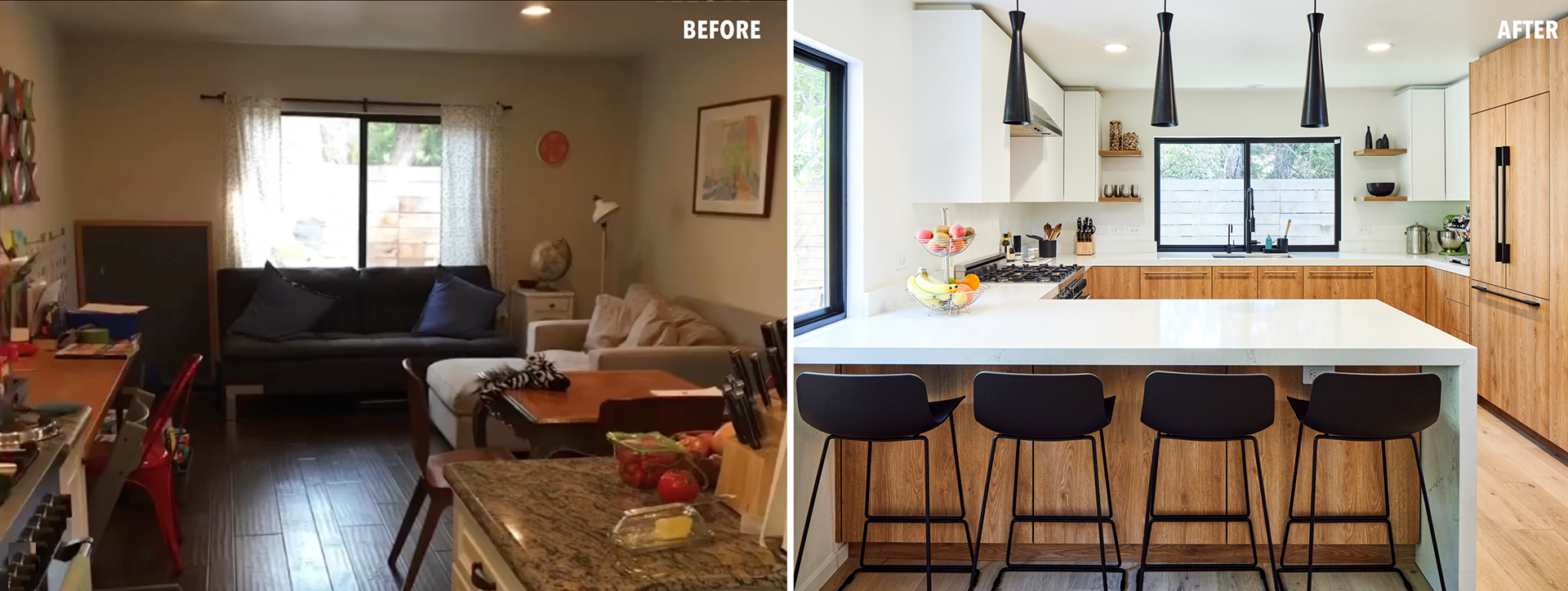
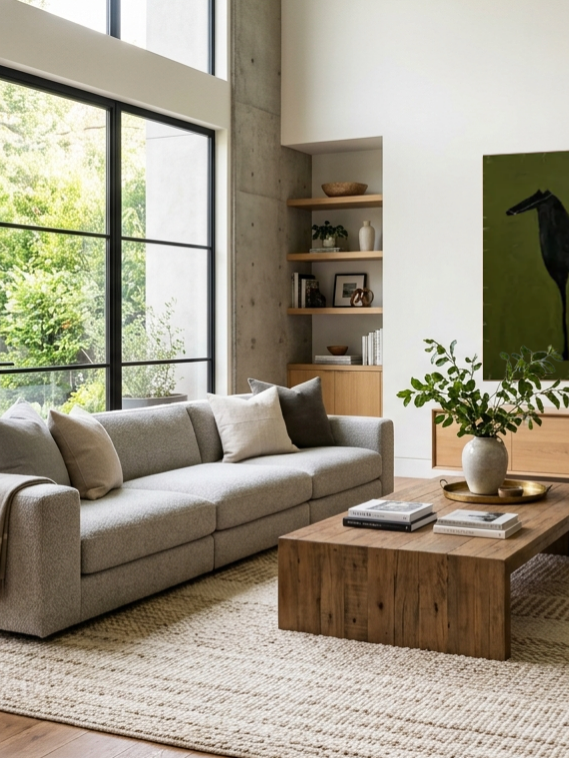
"Brady Bunch Mediterranean": Designed by DLZ INTERIORS Inc., Photography by Sean Costello Photography
THE ULTIMATE RENOVATION
ALLIANCE: DESIGNER,
BROKER & CONTRACTOR
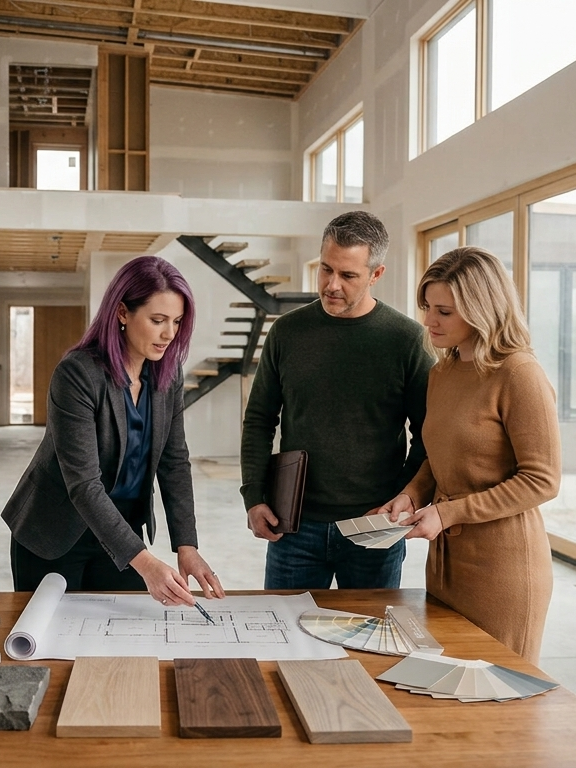
Navigating California’s complex renovation landscape requires a three-pronged approach: market valuation, aesthetic execution, and real-time pricing. Partnering with a Certified Interior Designer, a knowledgeable Real Estate Broker, and a licensed General Contractor forms the ultimate strategic alliance. This collaboration answers the critical question: Will the market equity gained reliably outpace the capital invested?
Before a single wall is touched, this team performs a precise, realistic Cost-vs-Value analysis:
The Broker establishes the neighborhood ceiling price, ensuring you do not over-improve the property.
The Designer conceptualizes high-impact aesthetic solutions, creating the master plan and picking materials that deliver a luxury look without structural overspending.
The Contractor brings crucial real-world pricing to the table. Because a designer cannot accurately predict fluctuating labor and material expenses alone, the contractor vets the design documents early to provide budget estimates based on current market conditions.
Phased Construction Documents are then finalized by the designer. These detailed technical drawings allow the contractor to bid out and execute the project in logical, independent stages. This unified approach eliminates guesswork, prevents costly field errors, and protects you from unexpected contractor change orders.
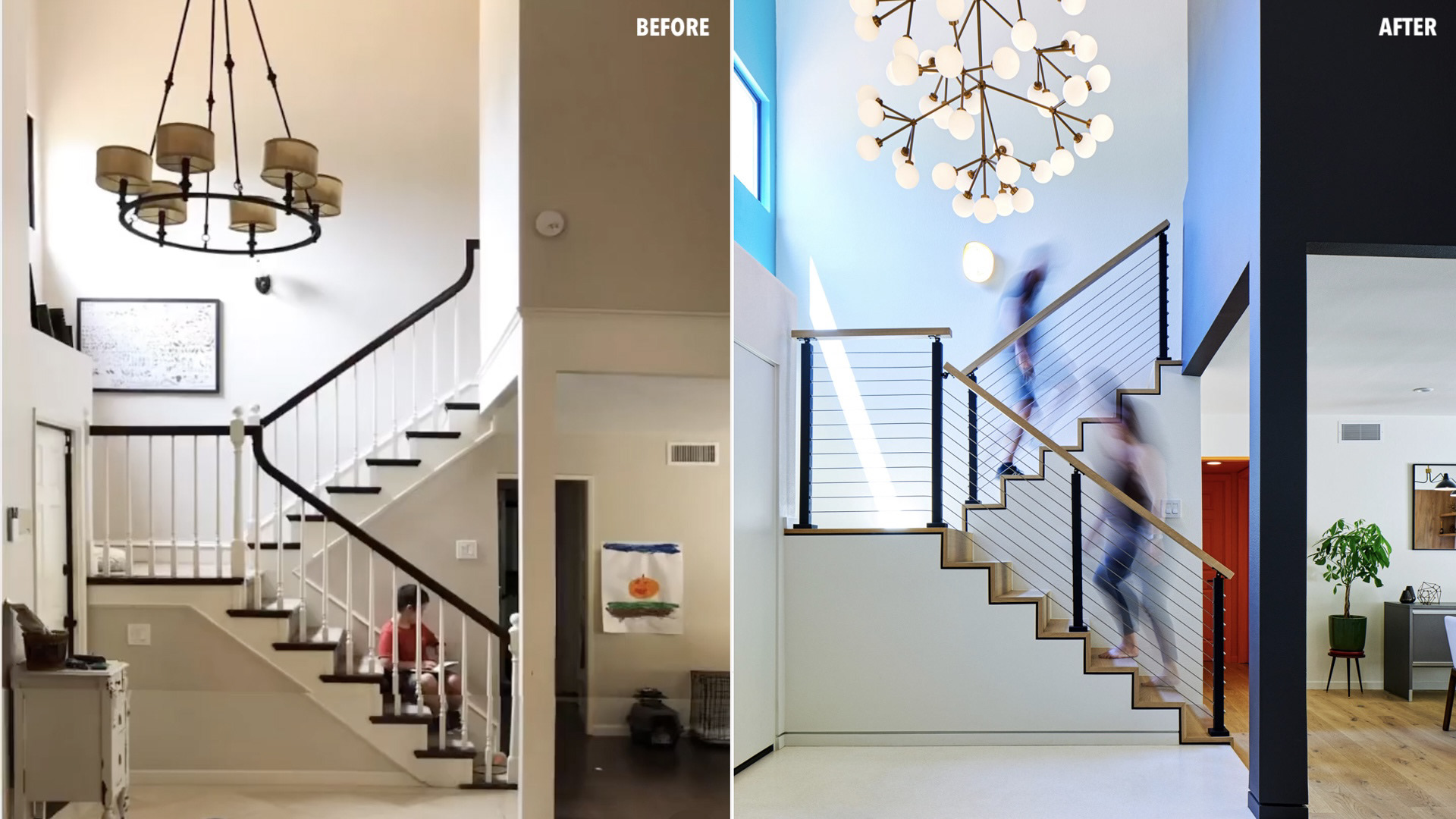
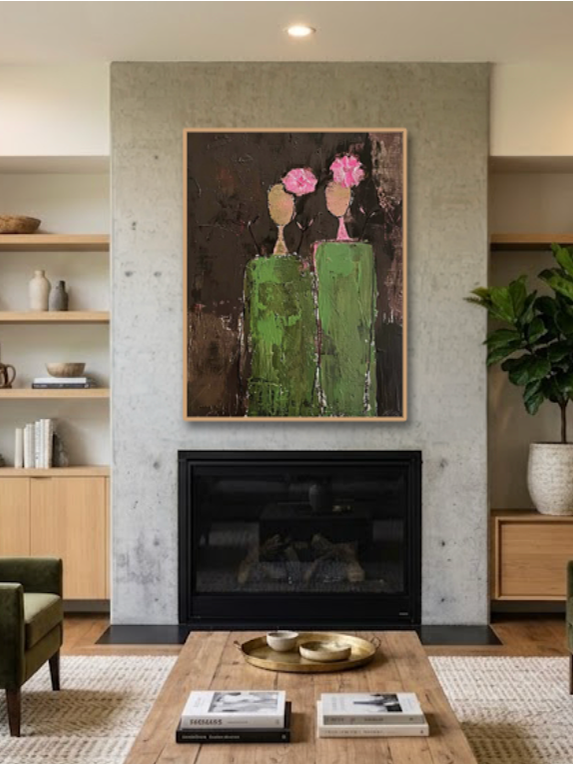
"Brady Bunch Mediterranean": Designed by DLZ INTERIORS Inc., Photography by Sean Costello Photography
HIGH-IMPACT FOCUS
AREAS FOR MAXIMUM ROI
To achieve a luxury aesthetic without the structural chaos, focus investments on these high-yield interior zones:
The Culinary Epicenter: Keep layout footprints static. Reface or paint solid cabinet boxes, replace dated surfaces with durable quartz, and add energy-efficient lighting rather than moving load-bearing walls or plumbing lines.
The Aesthetic Envelope: Utilize a cohesive, modern neutral paint palette paired with updated baseboards and clean-lined millwork to instantly elevate perceived ceiling heights at a low cost per square foot.
Surface Transmutation: Replace worn carpet or mismatched tile with uniform engineered hardwood (preferred) or
Luxury Vinyl Plank (LVP) to visually expand the floor plan. Update to cohesive matte black or brushed brass hardware.
The Illumination Shift: Swap out incandescent fixtures for dimmable LED architectural lighting, statement pendants, and under-cabinet LED strips to add visual depth while effortlessly meeting energy codes.
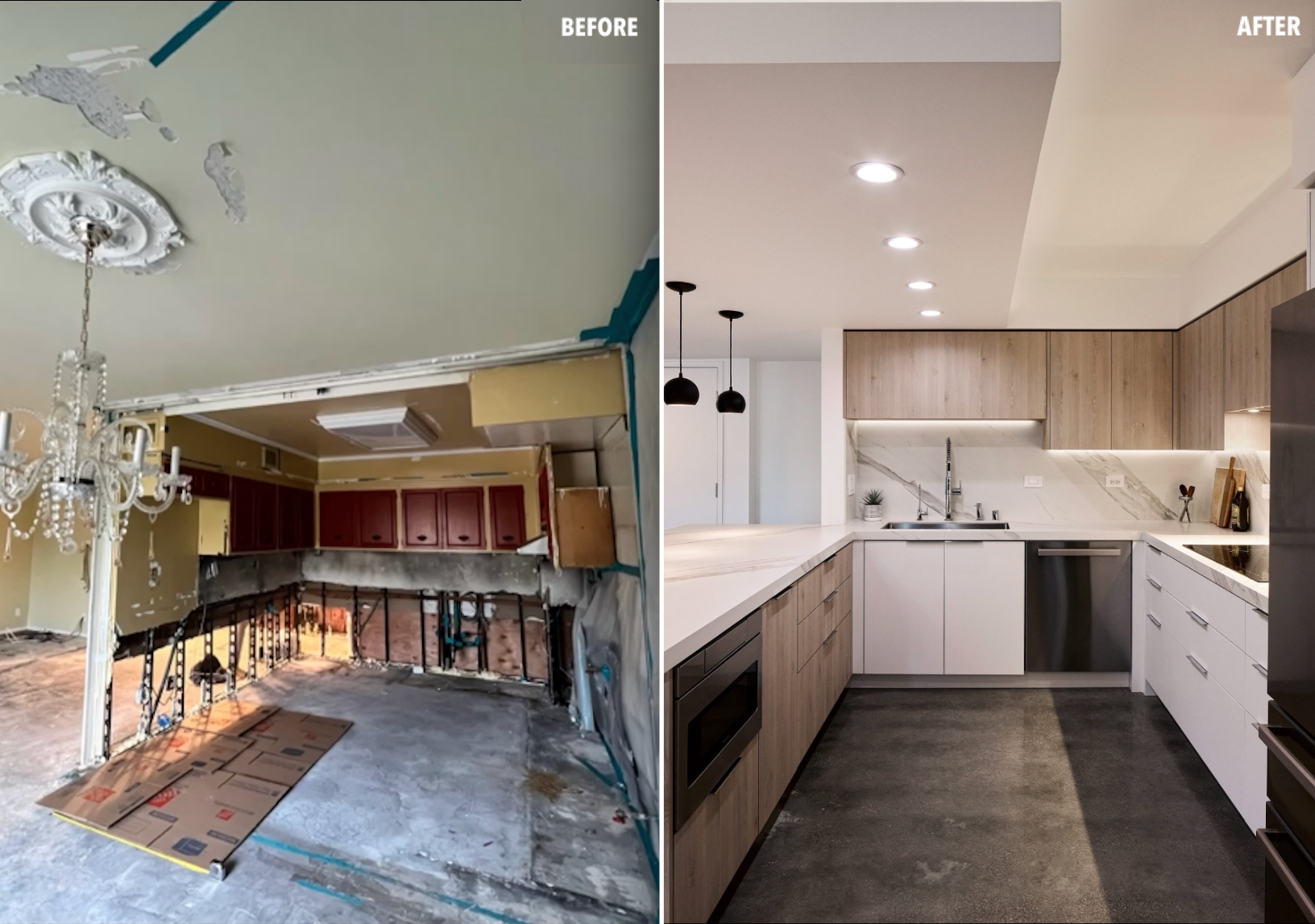
Beverly Hills Pied-å-Terre: Designed by DLZ INTERIORS Inc., Photography by Sean Costello Photography
PRO-TIPS TO EASE
THE RENOVATION PAIN
1. Keep Plumbing Footprints Static: Relocating concrete slabs or cutting subfloors for drainage lines dramatically inflates labor costs.
2. Order Long-Lead Materials Early: Secure appliances, custom vanities, and specialized tile before hiring subcontractors to prevent paying for costly idle labor.
3. Lock In Specifications Pre-Demolition: Finalize every finish within your design documents prior to start date to ensure contractor pricing is fixed and accurate.
By trading structural chaos for strategic, phased interior design, California property owners can achieve stunning, luxury transformations that reliably outpace their cost—without the systemic delays or budget blowouts of traditional building.
About the Author
Deb Longua-Zamero (“DLZ”) is a certified Interior Designer and the CEO of DLZ INTERIORS. A passionate advocate for the design profession and structural excellence, she serves as the Interior Architecture Committee Vice Chair for the American Institute of Architects / Los Angeles (AIA/LA) and recently served as Vice President of Public Affairs for the California Legislative Coalition for Interior Designers (CLCID). Her design insights have been featured nationally, notably serving as a contributing Design Expert for The Washington Post during the high-profile Ben Carson "Furniture Gate" scandal. Her career came with an early, unforgettable milestone: as a young designer, her very first professional design presentation was delivered at the White House directly to President George H.W. Bush.